Do you dream of being able to step outside and pick your own fresh herbs for dinner? Or having a soothing tea of herbal remedies from your own garden?
Even if you don’t have a lot of space, starting a spring herb garden is one of the easiest ways to connect with the season. As the weather warms, Spring is the perfect time to try your hand at gardening. Herbs that can be used for cooking and for medicinal purposes are a great addition to any traditional home.
Herb gardens were an essential part of everyday life for the traditional homemaker of old. Families grew herbs not only to flavor food but also to support health. Today, creating a spring herb garden can offer those same benefits and connect you to your ancestors, even if you only have a small backyard or sunny windowsill.
Herbs are some of the easiest plants for beginner gardeners to grow. Many culinary and medicinal herbs are hardy, low-maintenance, and thrive in small containers or simple garden beds. You only need a few plants to build a garden that supports your cooking and wellness routines and connects you to the rhythms of the seasons.
In this guidepost, we’ll explore how to start a simple spring herb garden, including beginner-friendly culinary and medicinal plants. And we’ll even cover some of the helpful insects that keep a garden healthy. If you are a complete beginner looking for direction for that first step, this post is for you.
Why Our Ancestors Relied On Spring Herb Gardens
You may have many spices and herbs in your cabinet right now that you enjoy on steaks or veggies, but our ancestors didn’t have these tasty enhancements in their lives. Spices were an expensive luxury out of reach for most people. For Europeans, they came across vast distances and were only accessible to kings who could afford them.
And when diseases and epidemics were widespread, long before modern medicine, pharmacies weren’t really a thing and people relied on herbal remedies to prevent or treat most illnesses. Herbs were essential for these purposes. They flavored meals and stocked traditional medicine cabinets.
In many cultures, herb gardens were planted close to the kitchen door so cooks could quickly gather what they needed. Fresh herbs like thyme, parsley, and sage added flavor to simple meals that were the staples for most common folk. And plants like mint and chamomile were used in calming teas.

Spring Herb Gardens Provided Remedies For Our Ancestors
A spring herb garden was especially important because it marked the beginning of the growing season. As winter ended and the soil warmed, herbs were among the first plants people planted and were usually the first to be harvested. They were hardy and could be dried and used all year round.
And basic apothecary is an ancient skill that people from all over the world relied on to care for many illnesses and injuries. A knowledge of plants and their medicinal properties has been passed down through generations. Herbs could be used for digestion, sleep, wound care, and immune support.
Starting a spring herb garden reconnects you with these ancient traditions. You may go to the pharmacy or the grocery store for all your herbal needs now, but this only serves to disconnect us from the rhythm of nature.
Herb gardening is just one of many old-fashioned homemaking skills that once formed the foundation of daily life. And, If you love this lifestyle, you can browse more seasonal living inspiration.
If you’re new to this way of thinking, you might enjoy exploring nature-based calendar living and why spring is the true new year, where I explain how our ancestors structured their lives around seasonal rhythms.
Culinary Herbs to Grow in a Spring Herb Garden
If you enjoy cooking, herbs are one of the easiest and most rewarding plants to grow. A spring herb garden can transform everyday meals by adding fresh flavor straight from your garden or windowsill. If you’re building confidence in the kitchen alongside your garden, these cooking essentials every new cook should know can help you make the most of fresh herbs.
Many culinary herbs are beginner-friendly and grow well in containers or small garden beds. You can find more ideas for using fresh herbs in meals on my home cooking inspiration board.

Basil
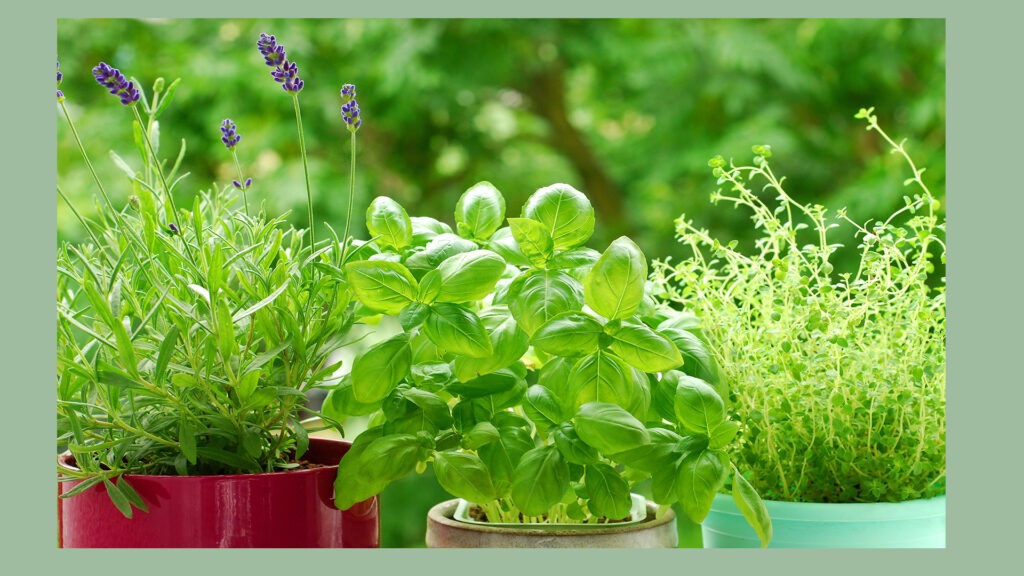
Basil is one of the most popular herbs in the kitchen. It thrives in warm weather and grows well in pots or garden beds.
Basil is commonly used in:
- pasta sauces
- pesto
- salads
- Mediterranean dishes
Because basil grows quickly, it’s a great herb for beginners starting their first spring herb garden.
Thyme
Thyme is a hardy herb that tolerates different growing conditions and doesn’t require much maintenance.
It’s commonly used in:
- roasted meats and vegetables
- soups and stews
- poultry dishes
Thyme also has antimicrobial properties and has been used historically in herbal medicine.
Rosemary
Rosemary is a fragrant herb with needle-like leaves and a strong flavor.
It pairs well with:
- roasted potatoes
- lamb and chicken
- breads and focaccia
Rosemary plants can grow quite large and become long-lasting additions to a spring herb garden.
Parsley
Parsley is one of the most versatile herbs in cooking. It’s often used as both a garnish and a flavor enhancer.
Parsley works well in:
- salads
- soups
- sauces
- Mediterranean dishes
It also contains vitamins A, C, and K, making it a nutritious addition to meals.
Chives
Chives are one of the easiest herbs to grow. They produce thin green stalks that have a mild onion flavor.
They’re great for:
- eggs
- baked potatoes
- salads
- soups
Chives grow well in containers and can return year after year, making them perfect for a beginner spring herb garden.
Medicinal Herbs to Grow in a Spring Herb Garden
Besides culinary herbs, many traditional herb gardens also included plants used for natural remedies. A spring herb garden can be a simple way to explore herbal traditions that have been used for centuries. Many of these herbs have been used in traditional healing, much like the home remedies for colds and flu that have been passed down through generations.

Chamomile
Chamomile is famous for its calming effects and is commonly used to make herbal tea.
Traditionally, chamomile has been used for:
- relaxation
- sleep support
- digestion
Its small, daisy-like flowers also attract pollinators, making it a helpful addition to a spring herb garden.
Mint
Fresh mint is one of the easiest herbs to grow, sometimes so easy that it spreads quickly.
Mint is often used for:
- digestive support
- herbal tea
- flavoring desserts and drinks
Because mint spreads aggressively, it’s usually best grown in containers rather than directly in the ground.
Lemon Balm
Lemon balm belongs to the mint family and has a gentle citrus scent.
Historically, it has been used to support:
- relaxation
- mood balance
- immune health
Lemon balm grows easily and is a pleasant herb to include in any spring herb garden.
Calendula
The calendula plant produces bright orange or yellow flowers and has long been used in herbal medicine.
Calendula has traditionally been used for:
- skin care
- healing salves
- soothing herbal teas
The flowers also add vibrant color to a garden and attract beneficial insects.
For more natural remedies and herbal wellness ideas, explore this natural self-care and herbal remedies board.
Beneficial Insects for a Healthy Spring Herb Garden
A thriving spring herb garden isn’t just about plants. Healthy gardens also depend on insects that help pollinate plants and control pests. These insects are part of a larger seasonal ecosystem, much like the meanings explored in spring flowers and birds symbolism, where nature’s signs of renewal come to life.
While some insects damage plants, others are extremely helpful.
Bees
Bees are one of the most important pollinators in the natural world. They help fertilize plants by transferring pollen between flowers.
Herbs like lavender, basil, and thyme often attract bees, which improves the health of your garden ecosystem.

Ladybugs
Ladybugs are excellent natural pest control. They feed on aphids, which are tiny insects that can damage plants.
Many gardeners consider ladybugs one of the most beneficial insects to attract to a spring herb garden.
Lacewings
Lacewings are another helpful insect that feeds on common garden pests such as aphids and mites.
Encouraging lacewings can reduce the need for pesticides and keep plants healthier.
Butterflies
Butterflies help pollinate flowers while also adding beauty to the garden.
Planting herbs and flowers together can attract butterflies and support a balanced garden environment.
Growing a Spring Herb Garden in an Apartment
One of the biggest misconceptions about gardening is that you need a large yard. In reality, herbs are some of the easiest plants to grow in small spaces.
Even if you live in an apartment, you can still grow a spring herb garden. If you’re working with small spaces, this Gardening & Food Preservation is full of helpful ideas.

Windowsill Herb Gardens
Many herbs grow well indoors with enough sunlight. A bright kitchen window can support plants like basil, parsley, and chives.
Small pots or containers can easily fit on a windowsill and provide fresh herbs year-round.
Balcony Containers
If you have a balcony, you can create a small container garden using pots or planter boxes.
Herbs like rosemary, thyme, and mint grow well in containers and don’t require much space.
Indoor Herb Pots
Indoor herb pots can also work in spaces without outdoor access. Just make sure your herbs receive enough sunlight and proper drainage.
Starting small is often the best approach when creating your first spring herb garden.
Spring Herb Gardens and Creative Homemaking
One joy of growing herbs is using them in everyday life. A spring herb garden can become part of many homemaking routines.
Fresh herbs can be used in cooking, of course, but they also have many other creative uses. Using herbs in daily life is part of a broader rhythm, similar to the ideas shared in this seasonal living guide, where homemaking aligns with the natural year.
Herbal Teas
Many herbs can be dried and used to make simple herbal teas. Chamomile, mint, and lemon balm are popular choices.

Natural Cooking
Fresh herbs add flavor and nutrition to homemade meals. Even a few sprigs of thyme or basil can transform simple dishes.
Spring Herbal Bath Blends
Some herbs can be added to bath soaks or homemade body care products for relaxation.
Drying and Storing Spring Herbs
Herbs can be hung to dry and stored for later use. This allows your spring herb garden to support your kitchen long after the growing season ends.
Growing herbs encourages a slower, more intentional approach to homemaking and seasonal living.
For more creative ways to use herbs and seasonal materials, visit this seasonal crafts and florals board.
If you want to take this deeper, especially for family learning or personal study, explore my Living Seasons Curriculum lessons, where I walk through nature-based education, seasonal rhythms, and practical skills like gardening in a more structured way.

Spring Herb Gardens For Beginners
Starting a spring herb garden is one of the simplest ways to reconnect with seasonal living. Herbs have supported kitchens, homes, and traditional medicine for centuries, and they remain just as useful today.
Whether you plant a small garden outside or grow a few herbs on a windowsill, these plants can add fresh flavor to your cooking, introduce you to traditional herbal remedies, and help you reconnect with nature’s seasonal rhythms.
Now I’d love to hear from you.
Have you ever grown herbs before, or are you thinking about starting your first herb garden this spring? Share your thoughts or experiences in the comments below.
And if you enjoy exploring seasonal living, nature traditions, and creative homemaking, be sure to sign up for my mailing list so you never miss a new post from The Scribbling Homemaker.