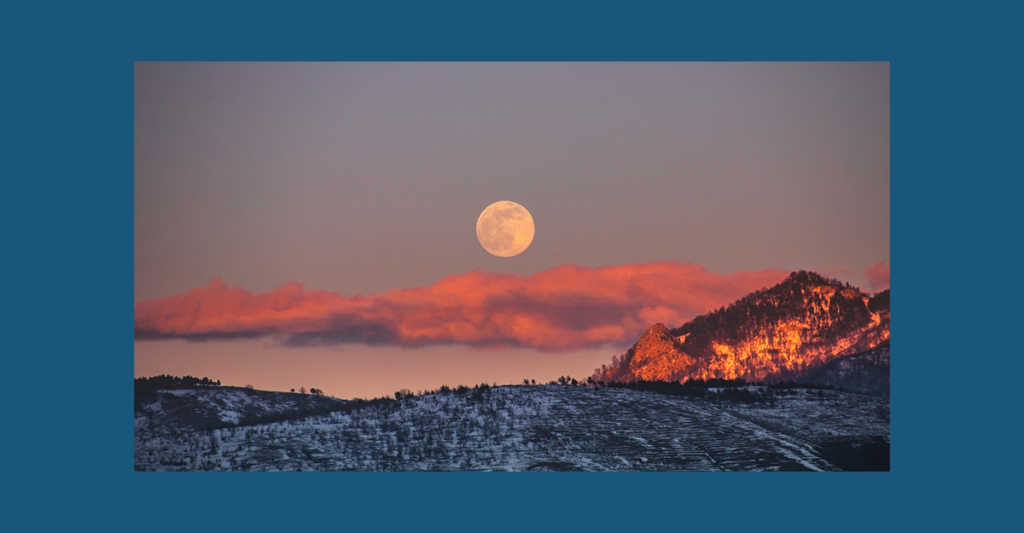
As February approaches, you might wonder how this transitional month fits into your seasonal lifestyle. Winter still holds everything in its quiet grip, yet subtle signs of awakening are appearing. February is the perfect backdrop for exploring the snow moon meaning.
Modern tech-driven writers and homemakers might overlook this quieter time, but our ancestors didn’t. They saw February as a period of endurance, resilience, and preparation. Their insights shape much of the snow moon meaning passed down through ancestral winter wisdom.
For the Native American tribes of New England, the Celtic homelands of Europe, and early American settlers, February marked thinning supplies, long nights, and introspective storytelling. Under the full Snow Moon, communities gathered for warmth and shared tales that shaped identity and culture. This was central to the snow moon meaning in many traditions.
In our modern writing lives, February becomes a sacred threshold. It’s a moment to refine our craft, deepen imagination, and reconnect with the ancestral stories woven into the snow moon meaning.
In this post, we’ll explore how Native American, Celtic, and early settler traditions intertwine to shape the snow moon meaning. Writers can use these themes to inspire February projects.
Snow Moon Meaning Across Cultures
February is a month marked by scarcity and transformation. It’s a month central to the snow moon meaning across many cultures. For the Algonquin and Iroquois tribes of the Northeast, the Celtic peoples of the British Isles, and early English settlers. This was a shared season of endurance.
The symbols of community, endurance, and planning are key for writers. February energy invites us to simplify and rediscover our creative center. My blogs, Seasonal Intentions for January and my 2026 guide to seasonal living, can show you what it means to live a seasonal life, and my Pinterest board Seasonal Nature Traditions will inspire.

Native American Snow Moon Meaning
When the English arrived in the Northeast in the 1600s, they entered a land rich with winter wisdom and seasonal teachings that shaped the snow moon meaning they would later adopt. Some tribes of this region included the Wampanoag, Massachusett, Narragansett, Pequot, Abenaki, Penobscot, Mohican, Lenape, and the Iroquois Confederacy. They all held stories of winter and the February moon.
Most of these tribes spoke Algonquian or Iroquoian languages, but their winter teachings helped the settlers survive.
Snow Moon Meaning and Winter Scarcity
Many tribes in the Northeast referred to February’s full moon as the snow moon or the hunger moon. These names described the nature of the snow moon meant to them. Supplies that had been gathered and preserved during harvest season were running low by now, and travel for trade was difficult. Hunting was hard, and the winter weather could be at its harshest.
Writer’s Lesson: Scarcity is the theme here. When resources are limited, we learn to become resourceful and work with what we have. Think about how your characters might react to scarcity in their lives.

The Iroqouis Endurance Moon
The Iroquois confederacy tribes, who lived in much of what is now New York State, saw the February full moon as a critical period of endurance. They called it the Endurance Moon. It was the last moon before the Maple Moon of March brought the maple sap and with it, a new cycle.
The teachings of these tribes centered on the values of patience, preparation, and mending old clothes for spring. It was also a good time to retell origin stories to strengthen community bonds.
Writer’s lesson:
The Endurance Moon is a powerful metaphor for resilience in hardship. How does your character face hardships?
Some other examples of winter survival include:
- The Abenaki Story of Ice Giants
- The Wampanoag Tales of Maushop
- Lenape Winter Stories
My blog about winter folklore around the world can enhance your understanding of winter’s lessons.
Celtic Traditions and the Snow Moon Meaning
The English settlers who arrived in New England weren’t strangers to the harshness of winter. Their Celtic ancestors also understood the snow moon meaning.
Snow Moon Meaning in Celtic Renewal
Like the Native Americans, the Celts were also deeply connected to the land and to nature’s wisdom. In February, while snow still covered the ground, the Celts celebrated Imbolc. It marked the first subtle sign of spring. Milk returned to ewes after they had given birth, and the water was thawing. Daylight was just a little longer. My blog about Imbolc Traditions and Brigid introduces you to the Celtic belief regarding February.

Brigid’s Fire and Wisdom for February
Brigid is the Celtic goddess of healing, wisdom, and hearth fire. She symbolizes rebirth and creativity. She is a gentle, nurturing goddess who oversees the end of winter- passed to her by the hands of Cailleach, the harsh goddess of winter.
Writer’s lesson: You must tend to your creative fire through ritual, practice, and consistency. My blog, Zodiac Winter Homemaking, can help guide you through the cycles of winter.
Purification and the Snow Moon Meaning
Preparation for spring begins with purification. Hearths were swept out, and tools were repaired. Households prepared for spring sowing. So, writers should prepare their own creativity as well. My Pinterest board, Energy Work & Elemental Spirituality, can be a guide for spirituality in February.
American Settler Wisdom and the Snow Moon Meaning
February American Settler Hardships
The snow moon meaning was enhanced when these cultures came together in the 17th century. The early European settlers in the Northeast had to learn how to survive in their new land. Many came as peasants and indentured servants. Others had to learn to farm the land. These settlers learned quickly that February demanded the most resilience. Food stores ran low, storms were harsh, and illness was common. My blog about Winter Food as Medicine and my blog about Home Remedies can help prepare your body for surviving in winter. And my Pinterest board about Seasonal Ancestral Recipes will give you recipe ideas.

Snow Moon in Fireside Tales
Settlers began to tell and weave their own tales about winter survival. Their own folklore, influenced by their own Celtic ancestors and by encounters with Native Americans, coupled with their own experiences, created a unique culture born out of winter survival. My Pinterest boards about World Folklore and Universal Spiritual Living explore these tales.
Blended February Symbolism Across Traditions
The shared traditions of the Native American, Celtic, and early settlers reveal the same snow moon meaning: survival, preparation, hope, and the strength found in storytelling. What emerged was more unique storytelling that has been passed down through ancient times. They combined their stories in similar ways:
- Native American tribes faced hunger and harsh winter storms
- Celtic tribes prepared for spring as they faced their own winter challenges
- Settlers faced isolation and scarcity.
Writers can see the similarities and common themes and use them in their own narratives. My Pinterest board, Creative Writing Techniques, can help focus your plots. And my blogs about the spiritual meaning of evergreens and shared winter stories illustrate more ideas of symbolism shared across cultures.

Why the Snow Moon Meaning Still Matters
February’s full Snow Moon holds powerful ancestral wisdom for writers, and understanding the snow moon meaning can deepen your creative rhythm during this transitional month. Themes of hardship, adversity, survival, and endurance are enduring and relevant even in today’s tech-driven society.
February is a transition month. It’s a reminder that the long, harsh winter is almost over, but we must continue to endure it.
How will the snow moon meaning inspire your February creativity? Share your reflections in the comments, and don’t forget to subscribe to my mailing list and join my Facebook community.