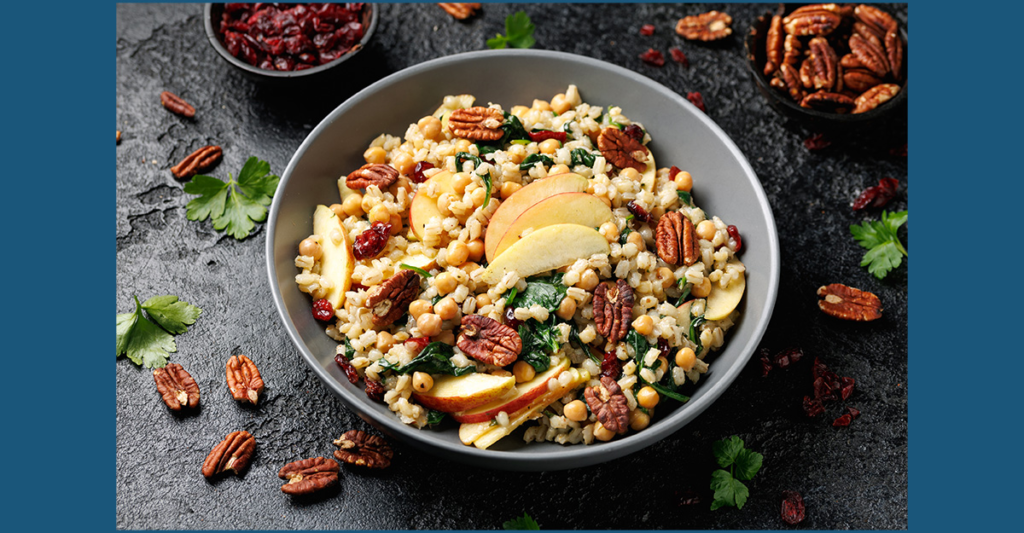
The cold winter months can be taxing on our bodies, which is why many homemakers turn to winter food as medicine to nourish the immune system naturally. This may be nature’s quiet season, but our bodies need extra nourishment, warmth, and immune support during these months.
Winter is also a season when nature slows down, but modern society demands we speed up. This disconnection from nature makes it even more important to rely on winter food as medicine to stay grounded and nourished. Winter travel, hectic gift buying, and the stress of winter gathering can make us neglect our health and open us up to opportunistic viruses, like colds and flus.
While many turn to store-bought remedies during cold and flu season, our ancestors relied on holistic, seasonal foods. Winter food as medicine reflects their wisdom.. Winter food as medicine aligns with the earth and our ancestors and provides us with more natural solutions.
A diet centered on nature-grounding foods provides the nourishment that our bodies need to help fight off seasonal illnesses.
This blog is your guide to holistic winter nourishment using winter food as medicine.
Note: I am not a medical professional. This blog is informative, and you should always consult your doctor before taking any nutrition advice.
What Is Winter Food as Medicine?
The idea of winter food as medicine is all about eating in a way that relies on simple, whole ingredients that come from nature, not a lab. It’s not a fad diet; it’s a lifestyle. Our ancestors would have recognized these simple ingredients: meat, seafood, dairy, seasonal fruits and vegetables, nuts, herbs, natural oils, natural sweeteners, and whole grains. These foods are the foundation of winter food as medicine.
A combination of ancestral cooking, holistic nutrition, seasonal living, nature-based spirituality, and simple homemaking practices all come together to strengthen the body during the coldest months of the year. If you want more natural ways to support your immune system alongside winter food as medicine, you can explore my guide to time-tested home remedies for cold and flu season.

Ancestral Winter Foods as Medicine
Our ancestors understood that food is seasonal. Each season’s diet supports the body in ways that helped our ancestors adapt to their environment. Warm months require different nutritional needs than cold months. This seasonal approach forms the backbone of winter food as medicine.
Before modern medicine, supplements, and pharmacies, winter nourishment came in certain forms:
- Root cellar foods like potatoes, turnips, and beets could last all winter.
- Fermented foods like sourdough, kefir, and sauerkraut.
- Cured meats like salami, prosciutto, and ham.
- Seasonal hunting, fishing, and foraging.
- Dried, canned, and pickled fruit and vegetables.
- Bone broth.
For our ancestors, these foods weren’t just healthy and delicious; they were a matter of survival. And they fortified themselves with the strength and energy needed in the colder months. To better understand the seasonal rhythms our ancestors lived by, you may enjoy my deeper breakdown of seasonal living practices and traditions. For visual inspiration rooted in old-world food traditions, explore my Pinterest collection of seasonal and ancestral recipes.
Why Winter Needs Extra Nutritional Support
The winter months mean cold weather. Snow, rain, wind, and single-digit temperatures. Winter weather suppresses the immune system, slows digestion, and reduces natural sunlight exposure. Think of how animals hibernate. Humans don’t hibernate in winter, so our bodies require more nutrition when the earth is dormant.
Below, I summarize our winter diet needs:
- Higher fat content. This means healthy fats like tallow, lard, olive oil, and ghee.
- Nutrient-dense foods, especially meat-based sources.
- Mineral-rich nuts, seeds.
- Mushrooms.
- Warming drinks include bone broth, tea, soup, and black coffee.
- Energy boosters include carbs like whole-grain sourdough bread.
Therefore, when you think of winter foods, you think of hearty beef stews, roasted meats, and warm soups. These foods feel comforting, but they are also necessary winter food as medicine. Supporting your body nutritionally goes hand in hand with supporting your home rhythm, and my guide to winter homemaking routines offers ideas for creating a slower, restorative season. You can also explore my holistic winter wellness board for ideas on immune support, slow living, and gentle seasonal care.

Animal Foods for Winter Strength
Winter food as medicine focuses on animal-based foods. Crops are dormant in winter, and our ancestors relied on their animals for sustenance. Animal-based foods provide warmth, protein, and essential nutrients. In winter, this becomes essential for getting through the cold months. If you want a deeper look at why ancestral diets prioritize animal nutrients, my guide to the benefits of an animal-based diet expands on these ideas.
Meat as Winter Foods as Medicine
Meat provides iron, zinc, and essential B vitamins that can’t easily be found in plants. It promotes strong bones, mental function, muscle repair, and hormone regulation. Meat is the powerhouse of winter food as medicine.
Winter meats that are deeply nourishing include:
- Grass fed beef.
- Lamb.
- Pork.
- Venison.
- Bison.
- Organ meats.
- Bone Marrow.
Country homemakers can raise, hunt, or buy directly from local farms. Urban homemakers can source their meat through online meat subscriptions, which are becoming popular now, like Butcher Box and Good Chop. They can also support local butchers. The emphasis should be on locally grown, organic meat sources that don’t add hormones to their meat. For inspiration on raising, sourcing, and preserving meat naturally, explore my Pinterest board on homesteading and animal care.

Seafood for Winter Immunity
Seafood is an underrated pillar of winter food as medicine, especially for vitamin D support. Wild-caught fish is rich in omega-3 fatty acids and essential minerals. In winter, Vitamin D is especially important because of a lack of sunlight.
Get wild-caught fish. Or, try ice fishing in lakes and rivers, if your local environment supports that. Canned and preserved fish like sardines are especially rich in essential fats and minerals.
Winter seafood includes:
- Salmon.
- Tuna.
- Herring.
- Sardines.
- Cod.
- Trout.
For more insight into how our ancestors used seasonal foods to support their bodies year-round, you can read my guide to spring ancestral foods. You can also browse my collection of natural, home-cooked meal ideas for seafood recipes and inspiration.
Dairy for Gut Health in Winter Food as Medicine
If you can tolerate milk and dairy, they can become an important source of winter food. It contains probiotics, vitamins, and enzymes that are important for winter immunity. Try:
- Raw Milk (locally sourced).
- Kefir.
- Yogurt (Plain Greek yogurt is best).
- Artisan cheese.
- Butter.
- Ghee.
Raw milk isn’t available everywhere, but you can also try milk from grass-fed cows, and goat’s milk. Dairy is an underrated source of winter food as medicine.

Seasonal Winter Produce for Healing Winter Food as Medicine
Although plant foods are limited, they still play an important role in winter food as medicine. Especially for those homemakers who emphasize eating seasonally. Fresh produce in supermarkets have to come from across the globe and are often processed and preserved.
Our ancestors relied on preservation methods to keep produce stores through the winter. Many cultural winter celebrations highlight root vegetables and warming foods, which I explore further in my guide to seasonal living during Lunar New Year. My Pinterest board Sustainable Gardening & Food Preservation can show you how to preserve your own food through canning, drying, freezing, and other means.

Winter Vegetables for Nourishment
Winter vegetables are ones that can last a long time without going bad. Root vegetables and tubers can survive in root cellars for months. Try these veggies:
- Carrots: eye health, liver health.
- Cabbage: rich in vitamin C, reduces inflammation.
- Potatoes: rich in potassium, improves brain function, and keeps you full.
- Sweet potatoes: complex carbs.
- Turnips: aids digestion.
- Brussels sprouts: vitamin C.
- Winter squash: rich in Vitamins A, C, E, and magnesium.
Winter Fruits for Immune Support
Fruits are even harder to come by in winter. But they can be canned, dried or frozen and then used in treats like tarts and sweet desserts. Fruits provide a source of antioxidants and vitamins. They are important for immune system support, and they provide simple carbohydrates in the form of natural sugars like fructose, glucose, and sucrose. Because of its sugar content, fruit should be eaten sparingly, but it shouldn’t be excluded because the nutrition it contains is important for winter. Some winter fruits that survive through the winter include:
- Apples.
- Pears.
- Citrus.
- Cranberries.
- Pomegranate.

Nuts & Seeds for Warmth and Energy
Nuts and seeds can be kept through the winter. They contain important nutrients like magnesium, potassium, calcium, phosphorus, fiber, and folic acid. But they should be eaten in moderation, and seed oils are heavily processed and contribute to inflammation and should be avoided. So stick with whole nuts and seeds, just a handful. Try these varieties:
- Walnuts.
- Almonds.
- Hazelnuts.
- Pistachios.
- Pumpkin seeds (make your own during the fall pumpkin harvest).
- Sunflower seeds.
- Flax.
- Chia.
If you want to pair winter foods with cozy homemaking practices, my guide to creating a cozy winter home offers more seasonal inspiration.
Herbs and Spices for Winter Food as Medicine
Herbs and spices are central to winter food as medicine because they warm the body and boost immunity. They’ve been used for centuries as nature’s healing remedies. Try herbal immune system boosters like:
- Garlic.
- Ginger.
- Elderberry.
- Chamomile.
- Echinacea.
- Peppermint.
- Lemon Balm.
These warming spices are popular in winter spice mixes. You can enjoy them in coffee, tea, or hot chocolate, and you can bake with them.
- Cinnamon.
- Turmeric.
- Ginger.
- Nutmeg.
- Cloves.
- Cardamom.
- Black Pepper.
These spices warm the body, improve digestion, and help fight infections.

Building Your Winter Apothecary
Herbology is something worth getting basic knowledge of. It’s the best way to optimize your winter food as medicine game. The next time you feel a cold coming on, you can rely on your nature-based pharmacy before you run to over-the-counter pharmaceuticals. Collect herbs for teas, tinctures, salves, and dried culinary herbs.
Healthy Winter Food as Medicine in Fats, Sweeteners & Grains
Healthy fats play a major role in winter food as medicine, providing slow-burning fuel and hormonal support. Cooking with natural oils such as ghee, tallow, lard, avocado oil, and coconut oil supports natural hormones, brain health, and winter immunity.
And natural sweeteners like honey, maple syrup, and date syrup, are healthy alternatives to processed sugar. Honey is rich in vitamin B6, riboflavin, calcium, and magnesium.
Although healthy fats and sugars should still be used sparingly, they are important as winter food as medicine.

Ancient Grains for Winter Food as Medicine
Winter grains bring warmth, steadiness, and comfort. They are an important source of complex carbs, which supply the body with fuel to get through winter. Check out my blog about sacred grains to learn about how vital bread was to our ancestors. For healthy grains rich in fiber and vitamins, use:
- Oats.
- Barley.
- Rye.
- Einkorn.
- Amaranth.
- Buckwheat.
- Wild rice.
- Quinoa.
Carbohydrates have a bad reputation these days, and it’s not completely undeserved. The modern process of making flour has stripped a lot of nutrients from grain and caused problems like gluten sensitivity. And foods full of refined sugars contribute to the epidemic of heart disease, obesity, and diabetes.
But don’t count grain out. It’s still an important source of fuel and nutrients. And an essential source of winter food as medicine. Carefully sourcing where you get your grains, opting for ancient grains like emmer and einkorn, and home milling can ensure you get the most out of grain foods. If you’re building a functional winter kitchen, my list of essential cooking tools for new cooks pairs well with a winter spice pantry.
Foraging, Hunting & Fishing for Winter Nutrition
If you live near the wilderness, or can easily access it, you can learn to rely on nature even further for your winter food, as a medicine lifestyle. Check out your local hunting and fishing regulations and learn what to hunt or trap in this snowy season. Species that can supplement your diet include:
- Venison.
- Elk.
- Wild turkey.
- Rabbit.
- Trout.
- Pike.
- Salmon.
- Cod.
- Steelhead.

What You Can Forage in Winter
Winter foraging might be difficult. Wet weather makes for muddy trails. But if you find yourself out on a sunny winter day, you might find:
- Pine needles.
- Rose hips.
- Chicory root.
- Burdock root.
- Dandelion root.
- Oyster mushrooms.
Make sure you are familiar with edible plants in your area, as well as toxic ones.
Winter Food as Medicine in Small Spaces
Even in a small urban apartment, you can practice winter food as medicine with a little creativity. Modern urban living has made it all too easy to rely on grocery stores with their aisles of processed foods available year around. But natural living is still possible if you know where to look. My blog about Natural Kitchen and Pantries will help you learn about natural eating in the kitchen.
You can:
- Shop winter farmer’s markets.
- Support local bakeries and butcher shops.
- Use online subscriptions that bring the farm to you.
- Grow herbs indoors.
- Make ferments and broths yourself.
- Store dried foods in jars and baskets.

Smart Winter Food Storage Solutions
You can make your small space work for you by utilizing cabinet heights, using closet and under-bed organizers, and portioning things strategically in the freezer. If you’re navigating small spaces or budget limitations, my guide to budget-friendly homemaking tips pairs well with these winter food ideas. For small-space storage and mindful organization ideas, visit my Pinterest board on natural home design.
Embrace Winter Food as Medicine
Making winter food as medicine part of your seasonal lifestyle can fortify your body and reconnect you with ancestral wisdom. Winter food as medicine doesn’t have to be processed or full of chemicals. By eating meat, seafood, produce, grains, and herbs as nature intends, we can align our bodies with the restorative and healing rhythm of nature.
Are you going to try any winter food as medicine practices? Do you live in an urban or a rural setting? Let me know in the comments and don’t forget to subscribe to my newsletter and join my Facebook community.