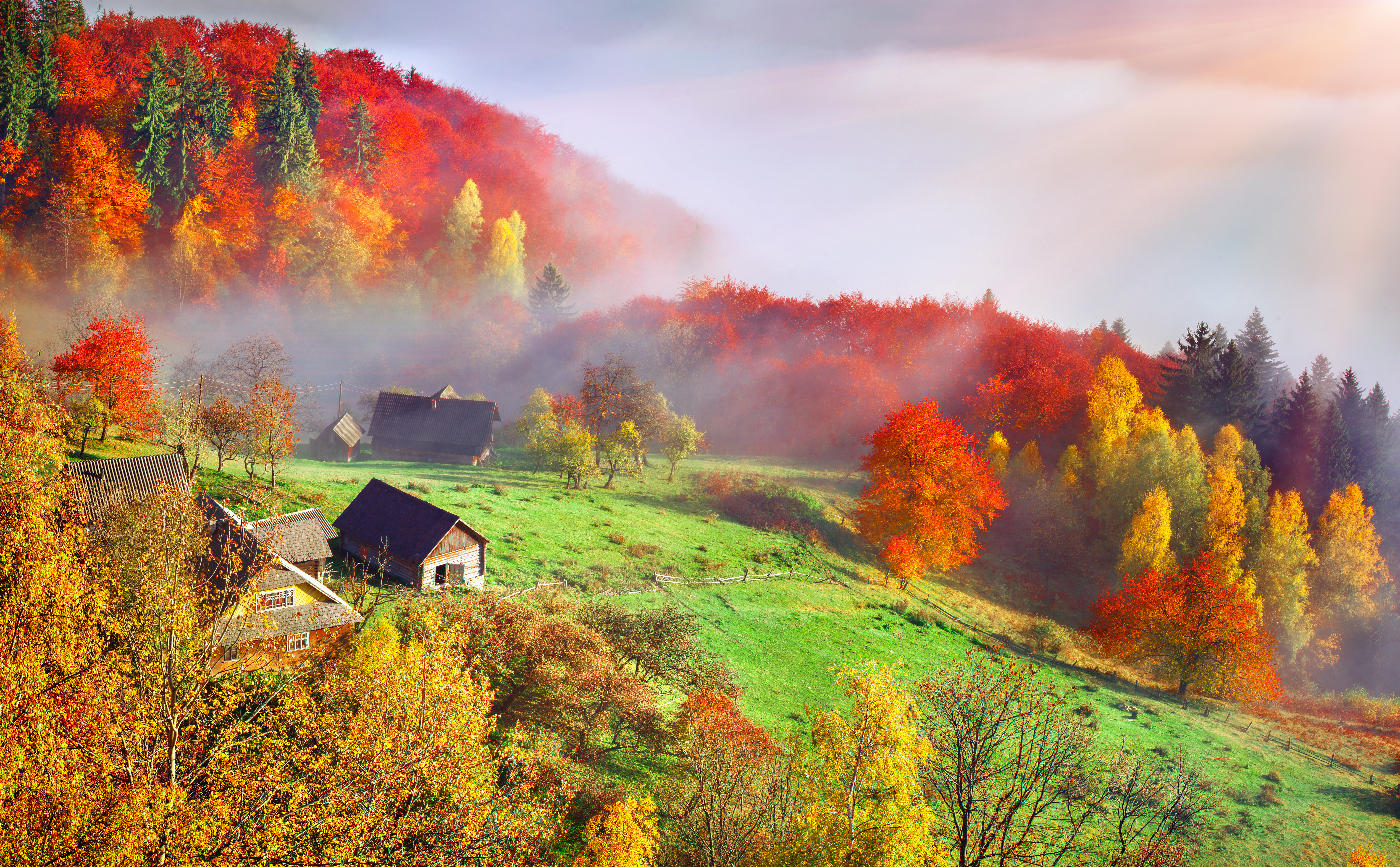
Autumn is a time of falling leaves and quiet reflection for creative homemakers and creative writers who live according to the seasons.
Across the centuries and across cultures, our ancient ancestors used mythology and folklore to convey their understanding of nature. From the mythology of Demeter and Persephone to Native American mythology about the bear. Seasonal myths for the Autumn season have helped people understand life’s cycles.
Living a nature-based, seasonal, and spiritual lifestyle means understanding these stories. Whether you are a writer looking for meaning in the falling leaves, or a homemaker looking for meaningful ways to share seasonal values with family, it’s important to explore these myths.
In this post, we’ll explore seasonal myths for the Autumn season from a Global perspective. From traditions passed down from the Celts, Norse, and Greeks, to the Native American and Shinto traditions, we’ll explore stories that will inspire your storytelling and convey some important morals and values. If you enjoy seasonal living, nature spirituality, and creative inspiration for both home and writing, I invite you to subscribe to The Scribbling Homemaker newsletter. You’ll receive blog posts directly to your email and enjoy my seasonal newsletters. Now, let’s get started with Autumn storytelling.
This post contains affiliate links, including Amazon affiliate links. As an Amazon Associate, I earn from qualifying purchases. This comes at no extra cost to you.
The Power of Seasonal Myths for the Autumn Season
Autumn invokes a memory within all of us. There’s something about it that just feels like a story. The smells, the sounds, the chill in the air, the shorter days. It brings back memories of childhood.
For thousands of years, people have told seasonal mythology for the autumn season to understand the changes they saw around them in the natural world. I explored the meanings and symbolism behind the season of summer in my Weaving European Summer Mythology and Polynesian Spirituality blog post. And Autumn holds a unique set of symbols and meanings.
Use these myths as guideposts. Use them to tend to and nurture your family, and let them inspire you to tell your own stories, so that you too can create myths and lessons just as our ancestors did.
Seasonal Myths for the Autumn Season Across Cultures
It’s important to remember that not everyone experiences seasonal changes. Those who live in the tropics and those who live in polar regions see seasons differently.
But for those of us who live in the temperate lands of North America, Europe, and Asia, where we can see nature’s seasonal cycles before us, it’s important to think of those who lived the land before us. Of course, we don’t have time to investigate the wide variety of all the legends out there, so we are focusing on six: the Greeks, the Romans, the Norse, the Celts, the Native Americans- especially the Iroquois, and Shinto Japan.
Greek & Roman Harvest Deities
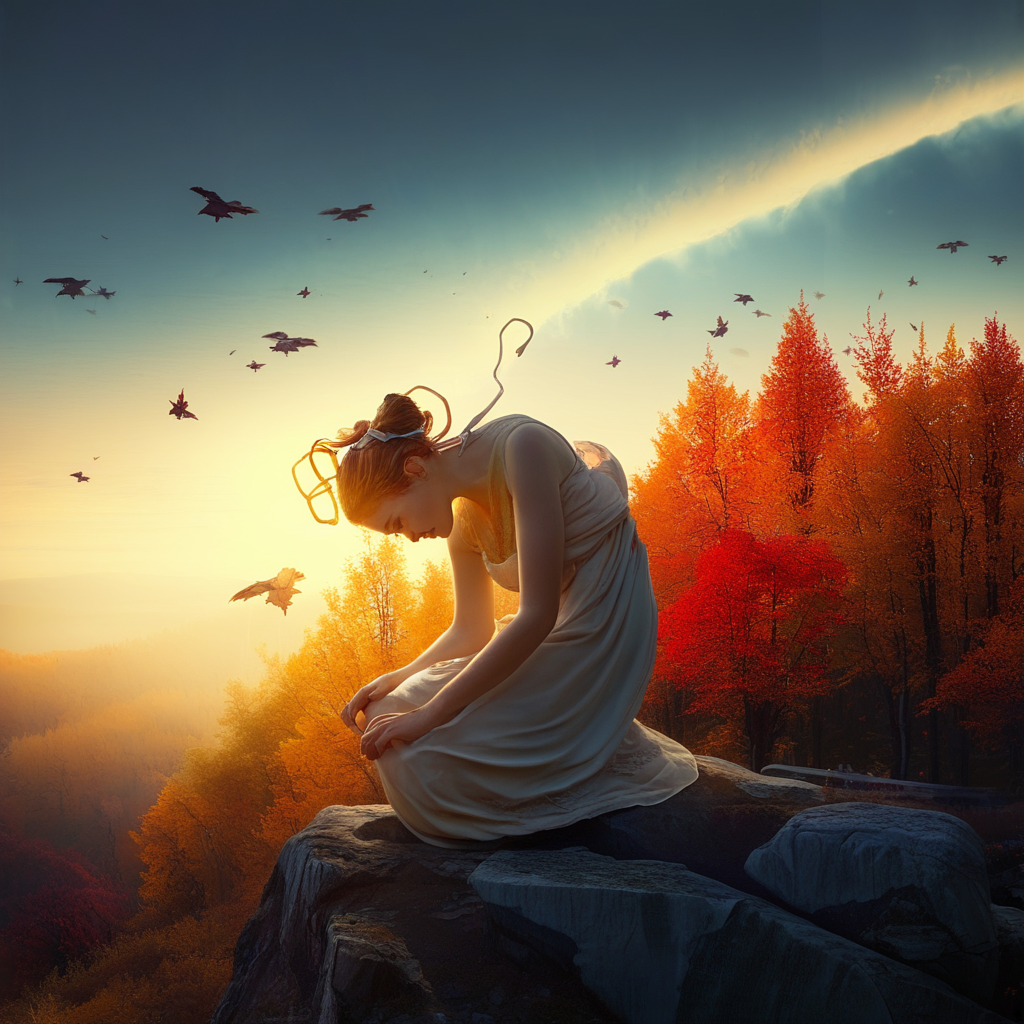
Our first stop on this tour of seasonal myth and folklore for the autumn season is Greece and Rome. And what better place to start than with the myth of Demeter and Persephone? It tells the tale of the Greek goddess Demeter, goddess of the harvest, whose grief for her daughter caused the world to darken. And of Persephone, daughter of Demeter and Zeus, who was abducted by Hades and became the Queen of the Underworld.
This story is one that tells of a mother’s love and grief over her daughter. And a daughter’s coming of age, love for a dark lord, and an abduction that causes darkness and change. This story is about the cycles of life as seen through nature. Every harvest season, as Persephone descends into the underworld, Demeter’s grief brings darkness to the world. Crops die; the wind grows cold. Then, in Spring, the warmth returns as Persephone is returned to her mother to start the cycle again.
And just as we see the seasons of the year, we must also recognize the seasons of life. A mother raises her daughter in the spring, then mourns as the daughter becomes a woman and departs for a new life. Check out my blogs Honoring Demeter in September and The Symbols of Persephone to learn how you can honor these goddesses.
Pomona, Roman Goddess
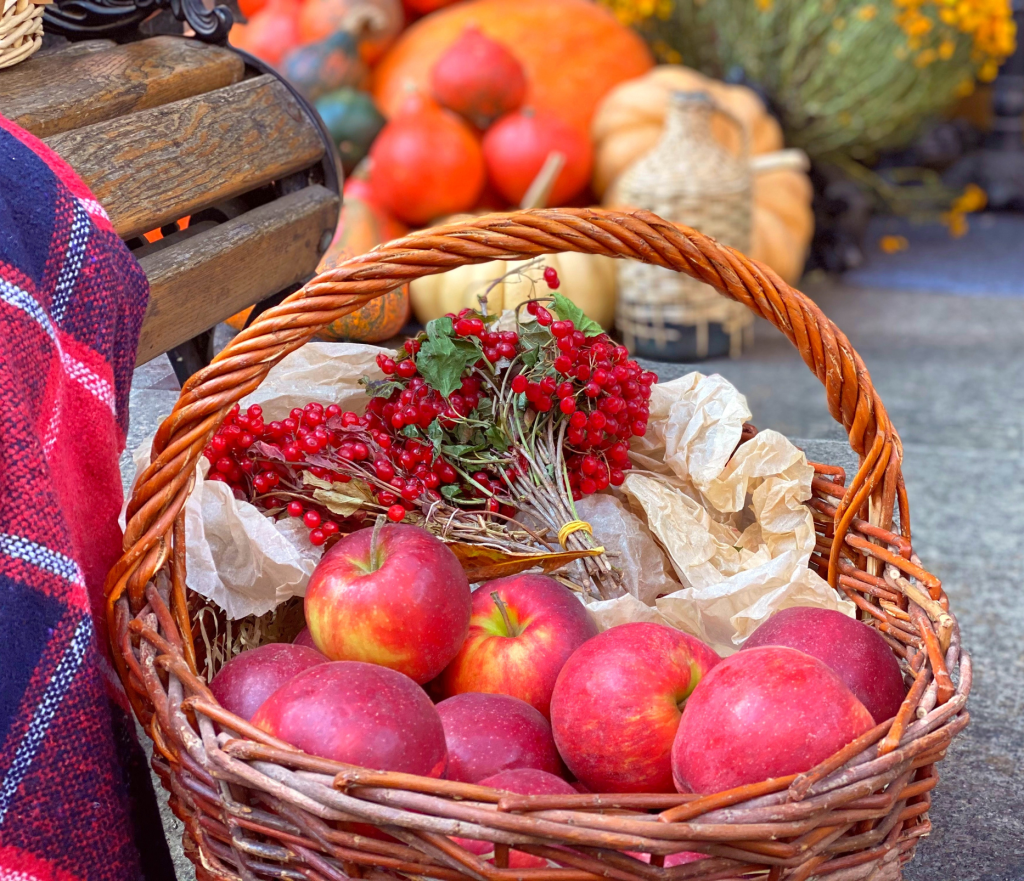
The Romans tell the tale of Pomona, goddess of fruit trees, orchards, and gardens. She is unique among the Roman gods in that she has no Greek counterpart. In Roman traditions, Autumn is a time for gratitude. Blessings, offerings, and devotion is given to Pomona to ensure that stored fruits last the winter. You can honor Pomona by preserving the harvest. By canning, drying, and freezing the fruits that are in season during the late summer-early fall period.
Celtic Legends of Mabon and the Fall Equinox
It is through Celtic mythology that we get the two major Wiccan sabbats that modern pagans celebrate in the fall, and the source of much of the culture and traditions associated with Autumn in Western Civilization.
Mabon and Samhain are the second and third harvest festivals. Mabon celebrates the harvest of fruits and the balance of night and day. It celebrates the autumn equinox in the Northern Hemisphere.
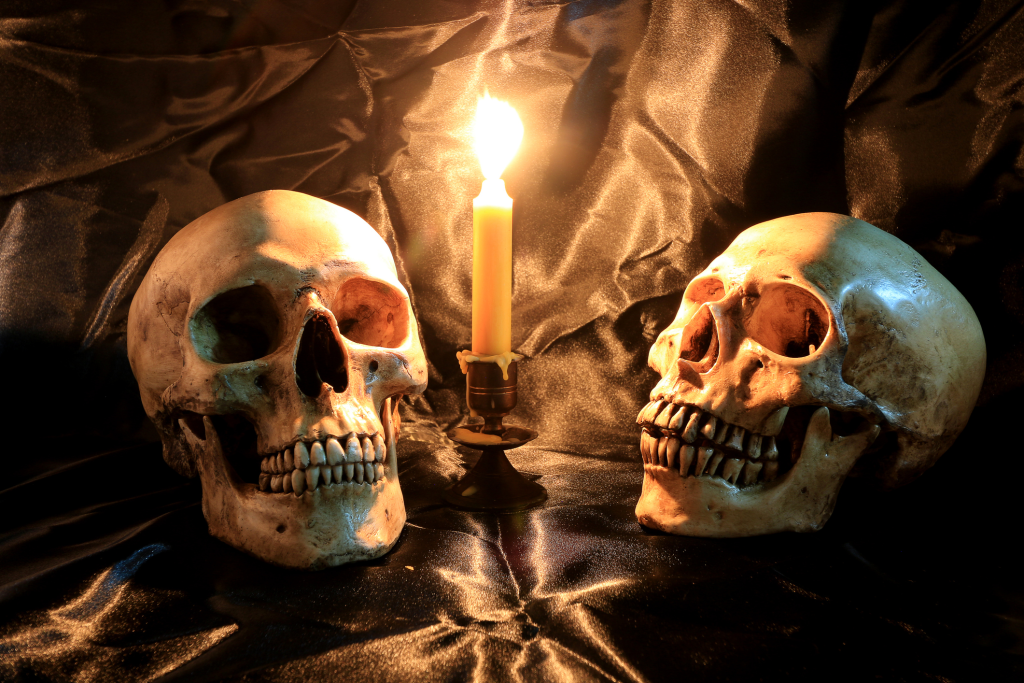
The Welsh also tell a tale of Mabon ap Madron, after whom the festival is named. He is a son who was stolen from his mother as an infant, which paints a similar archetype as the Greek Demeter and Persephone story. Samhain falls on October 31st, and our current celebration of Halloween in western culture is heavily influenced by this third and final harvest. Samhain is a celebration of the dead. It is a time when the veil between our world and the spirit world is thin and the spirits of the dead walk among us. Themes of death and memento mori are all around. Samhain is also an important time to remember your ancestors. Pagans and nature spiritualists can hold a Dumb Supper in honor of the spirits of the dead and their ancestors.
Norse Autumn Lore and Gods of the Harvest
The Norse people understood the turning of the seasons well. Scandinavia is a place where the winters are long and harsh. The Norse tell the tale of Sif, wife of Thor. Her golden hair was like a field of grain until Loki tricked her into cutting it. Thor replaced Sif’s hair with strands of gold, and this symbolizes the preservation of the harvest.
Freyr is the god of fertility, prosperity, and fair weather. He is honored at the end of the harvest season. Offerings of grain, meat, and ale were made to thank him for the year’s abundance and to ask for his blessing through the winter.
These stories remind us that the harvest is both an ending and an act of preparation for what’s coming. You can learn more about mythology from my World Mythology for Creative Writers Pinterest Board.
Want to dive deeper into these European myths? Check out Norse Mythology or Greek Myths for rich storytelling inspiration.
Shinto Rice Harvest Rituals and Folklore
While wheat and bread are the main staples in Europe, in Japan, culture revolves around the rice harvest. The Shinto deity Inari Ōkami governs rice, agriculture, and prosperity. Kitsune, fox spirits, are Inari’s messengers, and their images often appear at shrines dedicated to the deity.
The Niiname-sai festival, held in late autumn, is a ceremonial thanksgiving where the emperor offers the season’s first rice to the kami. The ritual acknowledges the interdependence of humans and the natural world. This is a truth that resonates beyond rice fields. — a truth that resonates far beyond rice fields.
Native American Moon Mythology
For the Native Americans, in particular the Iroquois and the Cherokee, the story of hunters forever chasing a great bear marks the beginning of Autumn. The Harvest moon of September was a sign that the harvest must be brought in.
The Native Americans saw the moon as a guardian and a timekeeper that guided people through the agricultural year. The corn, bean, and squash harvest depended on understanding the moon cycle.
The three moons of Autumn all had meaning that centered on the harvest and connection with nature. September’s harvest moon, also called the Corn Moon, was about balance. October’s Hunter’s Moon told Native Americans to gather the last of the hunt and preserve the meat. And the November Beaver Moon was significant to both the Native Americans and the early American colonists as it signified the last moon before winter.
Autumn Tasks for Seasonal Living
| Myth | Recipe Idea | Craft Idea | Prompt |
| Demeter & Persephone | Pomegranate and apple salad with honey vinaigrette — representing the underworld’s fruit and autumn’s sweetness | Create a seasonal altar with pomegranates, wheat stalks, and marigolds. | Write a short story or poem about a character preparing for a seasonal separation. |
| Pomona | Baked spiced apples stuffed with nuts and dried fruit. | Decorate your porch or table with an apple and leaf garland. | Imagine Pomona visiting your home — what blessings or warnings would she give? |
| Mabon | Hearty root vegetable stew with fresh-baked bread. | Host a “balance meal” — equal parts light (salad) and hearty (stew) dishes — to honor the equinox | Describe a scene where day and night speak to each other at the moment of balance. |
| Sif & Freyr | Honey-oat bread shaped into braids to symbolize Sif’s golden hair. | Weave a small straw or wheat braid to hang in your kitchen as a harvest blessing. | Write from the perspective of the land at harvest time — how does it feel to give so much away before the cold? |
| Inari | Rice bowl with seasonal vegetables, flavored with soy and ginger. | Fold origami foxes to honor Inari’s messengers and place them near a grain jar. | Tell a story about a spirit who blesses a harvest but asks for a favor in return. |
| Moons of Autumn | Cornbread made with fresh cornmeal, served with squash soup. Make your seasonal cooking easier with this apple corer & slicer or cook your Mabon feast in a classic Dutch oven. | Spend an evening outside under the full moon, journaling by its light. | Write a reflection or short scene about working under moonlight during a harvest |
For a fun family activity, try making Inari-inspired foxes with this origami paper kit.
How Creative Writers Can Use Seasonal Myths for the Autumn Season
Weaving seasonal symbolism into the plots of your stories helps to ground your readers. Harvest, transition, death and rebirth cycles are all a part of nature. As we’ve gone over some of the seasonal myths for the autumn season, you can use this method of global harvest storytelling to create your own traditions around Autumn.
- Fantasy and Historical Fiction: Fantasy is the perfect genre for weaving cultural traditions grounded in nature. And historical fiction offers you the chance to bring the lives of our ancestors to your readers.
- Science Fiction: Just as humans learned how to live in new lands as they migrated and settled across the globe, imagine the future as humanity looks to the stars. What would it be like for our descendants when they first settle on distant lands? What do the seasons look like there?
- Symbolism: Harvest and Autumn themes could center on representing achievement, the coming of winter and a sense of urgency, changes in the seasons of life- growing older, coming of age, etc.
- Setting: cool crisp mornings, falling leaves, gathering apples, the first taste of apple pie, pumpkins. Use these to bring your settings to life.

Character Archetypes for Autumn
Consider these character archetypes that symbolize Autumn
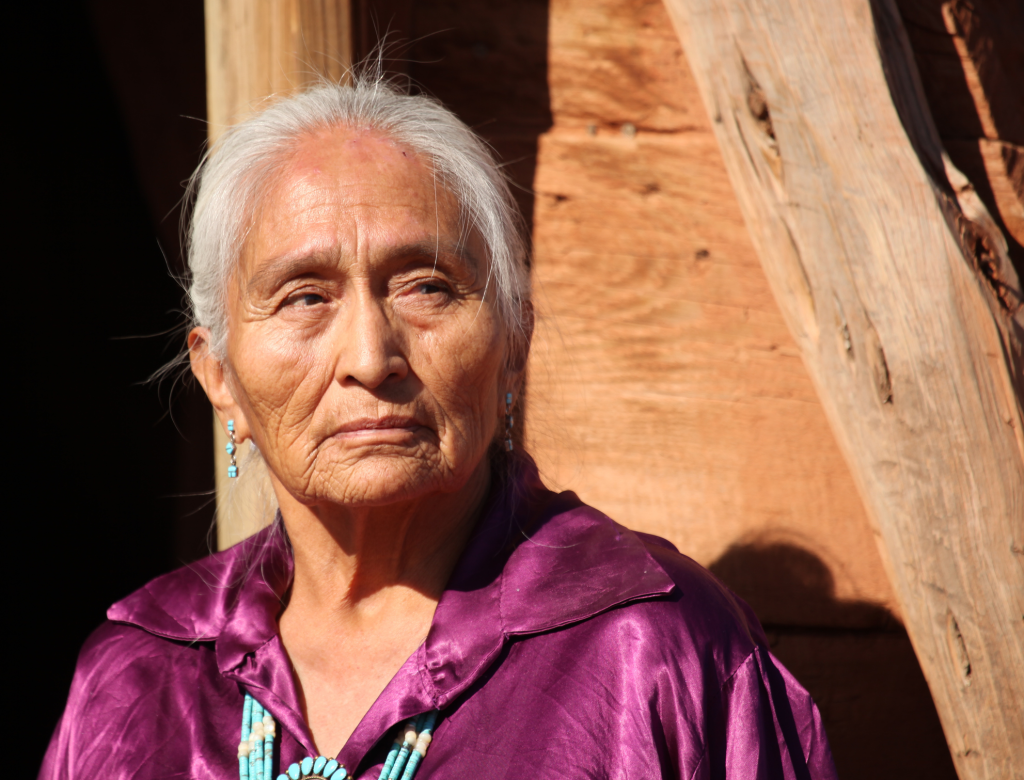
- The wise village elder: They tell the stories of the past. Of myths and legends.
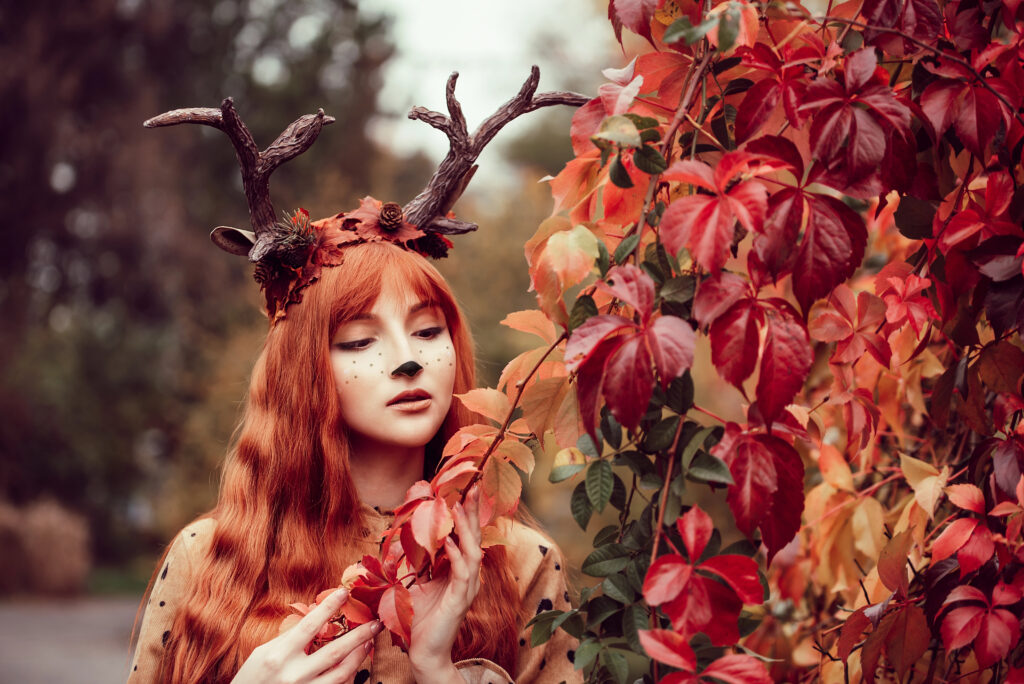
- The young one coming of age: like Persephone falling in love with Hades
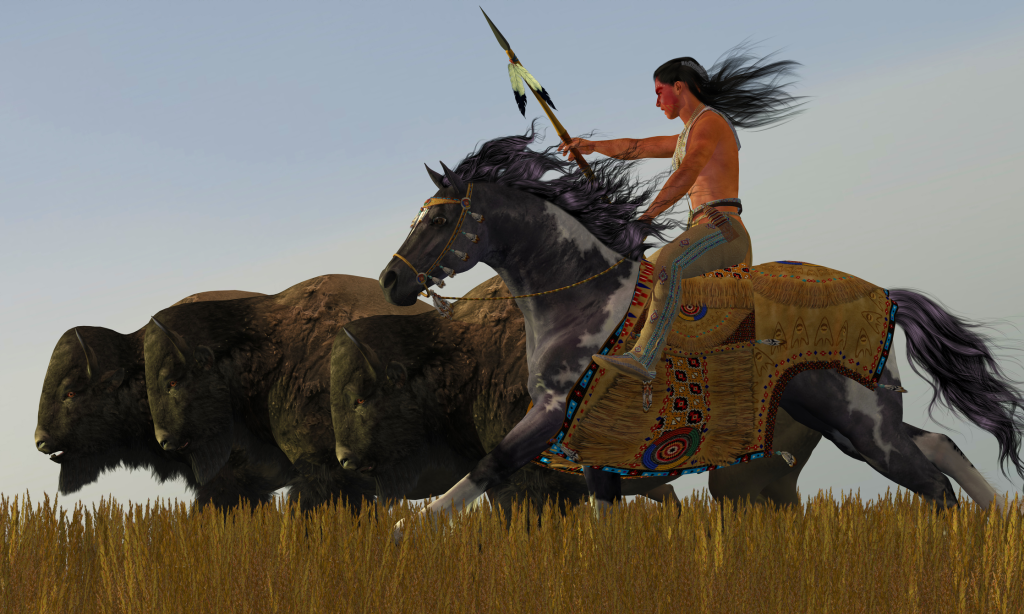
- The hunter: The hunter urgently pursues the bear before its long sleep. His family depends on this hunt.
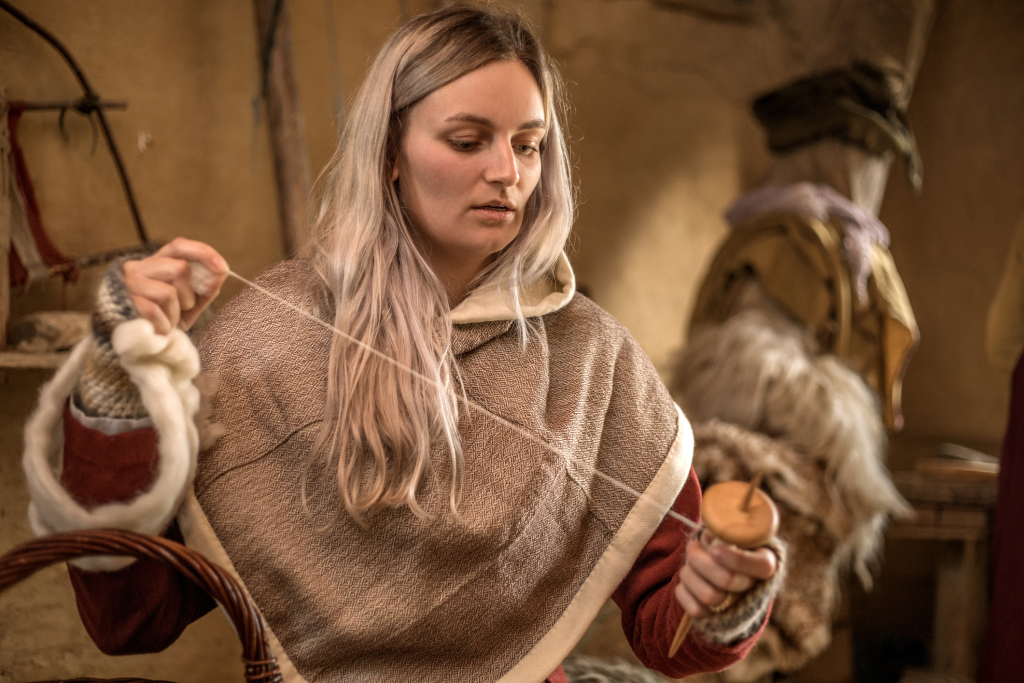
- The Harvest Keeper: keeping a warm and nurturing hearth for her family.
Check out my Creative Character Creation Pinterest board for character development inspiration.
Bringing Seasonal Myths for the Autumn Season Into Homemaking
One of the most beautiful things about seasonal mythology and folklore for the autumn season is that it isn’t just for reading — it can be lived. The wisdom of our ancestors live on through their mythology, and their values are principles we can live by.

Storytelling as a Family Tradition
Use your creative storytelling to make a children’s story about the myths we’ve learned about. Read to your children about the tale of Demeter and Persephone. Teach them about Pomona and how Inari’s foxes are a symbol of the Autumn. Here are some ideas:
- Go all out and publish children’s books centered on seasonal myths and folklore of the autumn season.
- Read to your children at bedtime and at family gatherings. Read around a campfire.
- Create a story-themed night with food and DIY crafts.
Check out my DIY Seasonal Crafts Pinterest board for inspiration.
Autumn Crafts Inspired by Seasonal Myths
Create DIY crafts and make it a family craft event. Get inspired by my Cozy Autumn Living blog and try some of the following symbols:
- Wheat stalks symbolizing Sif and Demeter
- Apples for Pomona
- Cornucopias as a symbol of abundance
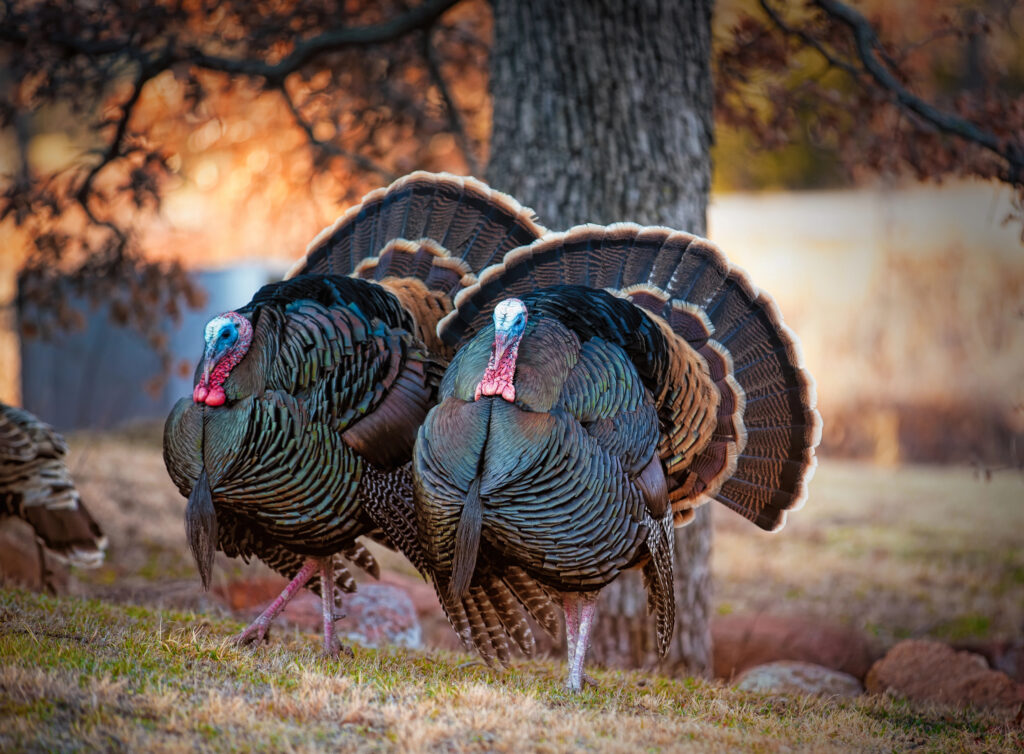
- Turkeys for an American fall ambience
- Skulls and bats to remember death and darkness
- corn and rice for global harvest festivals
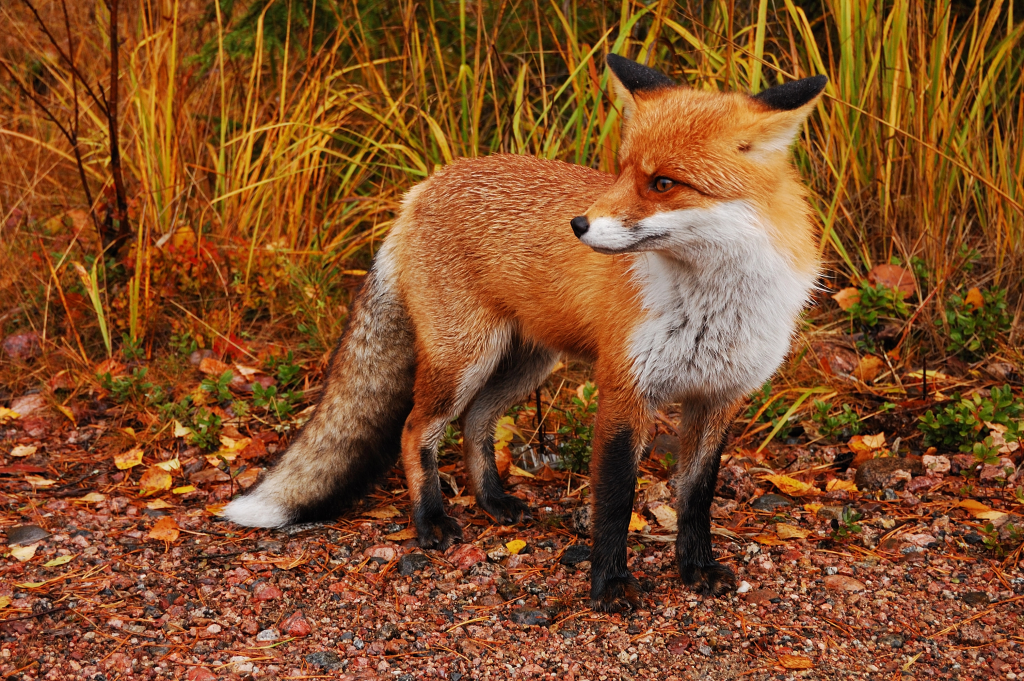
- Foxes as symbols of Inari.
- Pictures of your loved ones.
Teaching Values with Autumn Myths
When you go through your mythology, whether you are telling through story or through arts and crafts, make sure you remember the values that these seasonal autumn myths convey:
- Gratitude: For a plentiful harvest. Be thankful to those who came before you for the food on your table.
- Patience and preparation: Be patient as the long darkness begins, and be prepared for the winter ahead.
- Balance and harmony: Being one with nature.
Create your own autumn altar with dried wheat stalks or a classic cornucopia basket to honor the harvest.
Why Seasonal Myths for the Autumn Season Still Matter Today?
Throughout my summer-themed blogs like Sacred Grain and County Fair Magic, I talked about why living a seasonal life still matters even in our modern, screen-filled world.
We are becoming disconnected from our ancestors and from nature as technology dominates our lives. Convenience has replaced the need to hunt or farm for those who live in the cities. But by telling myths and folklore and by living by the values and morals of our ancestors, we can help to bring ourselves back. We are still connected to this Earth, and we are still bound by the cycles of nature, no matter how technologically advanced we become. And each season has a purpose and a lesson to teach.
In our fast-paced, screen-filled world, these ancient stories slow us down. They connect us to the land beneath our feet, to our ancestors, and to each other. They remind us we are part of a cycle — and that each season has its purpose.
Weaving the Threads of Story, Season, and Spirit
From Sif’s golden fields to Inari’s rice paddies and from Celtic traditions of Mabon and Samhain to the Native American’s reliance on the moon, seasonal mythology for the autumn season weaves together human experience across the planet.
How do these stories inspire you? Do they bring back memories of Autumns of the past? Tell me about your harvest traditions in the comments and in the Facebook Group.
And perhaps that is the real gift of autumn — to remind us that every ending holds the promise of a new beginning.