What if baking bread could become a sacred ritual rooted in nature spirituality? One that nourishes not just your body, but your spirit and your connection to your ancestors and the land?
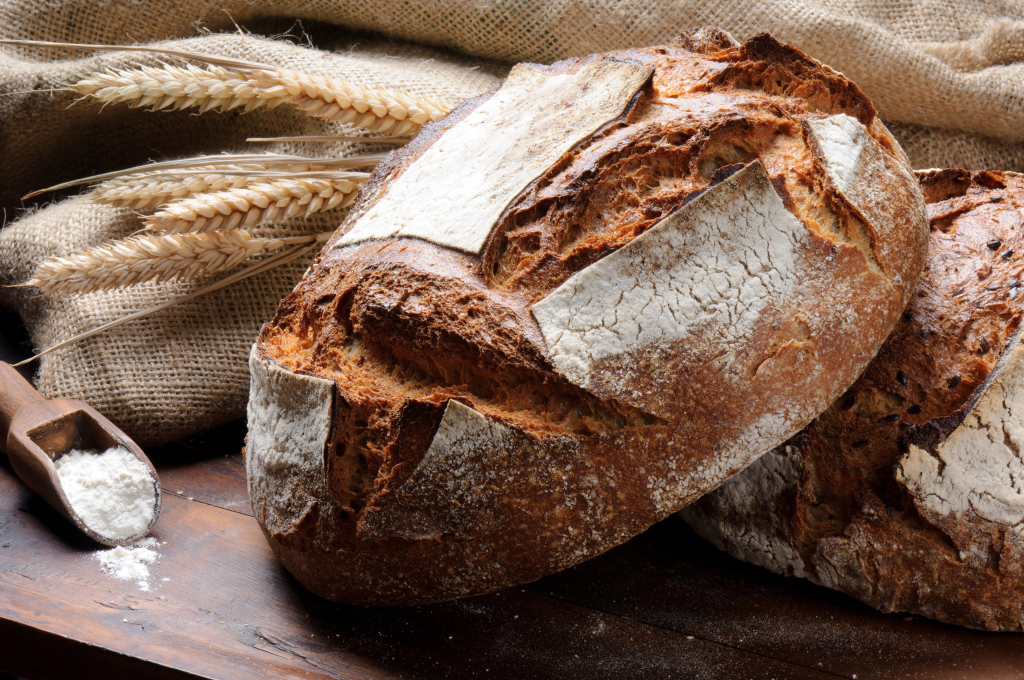
Lughnasadh or Lammas is the first of three harvest festivals on the Wiccan wheel of the year. And it celebrates one of the most important staples of human civilization: Bread and grain.
What is the role of bread in Nature Spirituality? Why has it been so central to human civilization since the Neolithic Period? And what part does it play in living a natural, seasonal life as a creative homemaker and writer?
In this blog, we are going to learn about the cultural and spiritual significance that bread has played in the lives of our ancestors. We are going to learn why August is the month to honor agriculture and get back to our roots. We are also going to learn about some of the health benefits of bread and find out why carbs and gluten have been getting a lot of negative press lately.
And we are going to learn about sourdough starters, why August is the best time to start one, and why grains like Einkorn and rye are great alternatives to commercialized flour.
Make sure you’re subscribed to The Scribbling Homemaker and join my Facebook group for more seasonal tips, spiritual homemaking practices, and creative inspiration. Let’s begin our journey into the sacred grain.
Disclaimer
I am not a doctor or a nutritionist, just someone who does research.
This post contains affiliate links, including Amazon affiliate links. As an Amazon Associate, I earn from qualifying purchases. This comes at no extra cost to you.
The Historical Roots of Bread in Nature Spirituality
Bread and grain have been at the center of culture throughout history. Songs and literature feature bread, and whole festivals are dedicated to it. It’s been the hallmark of human culture since written history began.
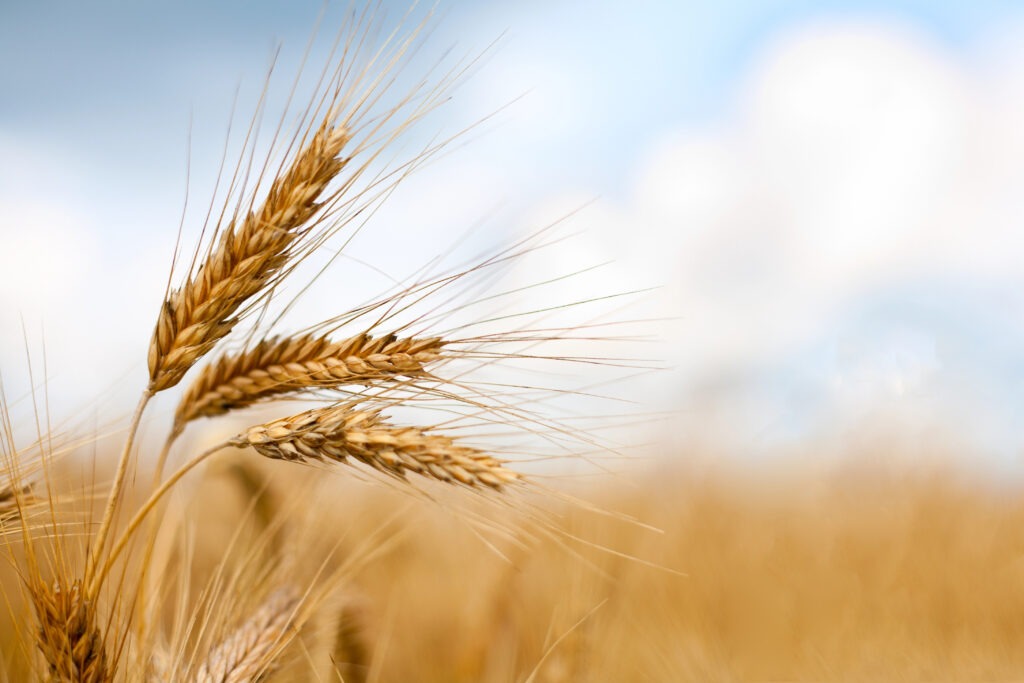
This praise of bread is not unfounded. Bread in nature spirituality has marked the lives of our ancestors in so many ways. Since the Neolithic period some 10,000 years ago, humans have cultivated grains. Our bodies evolved to develop enzymes like amylase, which were required to digest starches.
When this adaptation occurred, it allowed civilizations to begin. The cultivation of wheat and barley in Egypt and Mesopotamia marked a shift from a nomadic hunter/gatherer lifestyle to a more settled life. This allowed for cities and societies to develop. Bread in nature spirituality is a symbol of stability and abundance.
This is a legacy of human ingenuity, and it’s a testament to our ancestors’ ability to work with the land and with nature.
Maize in Mesoamerican and Native American Traditions
Wheat and Barley production started in Mesopotamia and Egypt, but they weren’t the only places across the globe where grains were beginning civilizations.
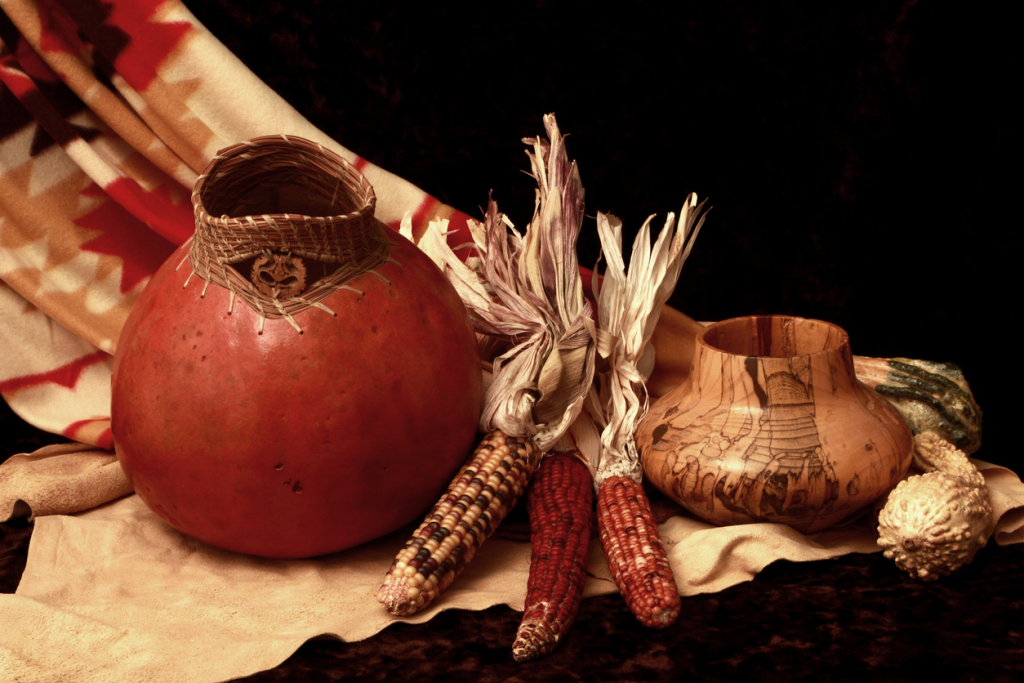
In Mesoamerica, maize (corn) became a cornerstone for the earliest Mayan settlers. It has been used to make tortillas and tamales and has become a central staple across North America. In Hopi traditions, corn is a gift from the Earth Mother, and blue corn is used in ceremonies to honor the harvest.
Rice As Sacred Grain In Asian Spirituality
In Asia, rice takes the place of bread in nature spirituality. In Chinese culture, rice is central to festivals like the Mid-Autumn Festival, and in Japan, in Shinto traditions, it is offered to Kami spirits in shrines.
Rice represents nourishment and a sacred bond between humans and the land in Asia. It has been central to Asian society since 7000 BCE and possibly even earlier.
Bread In Nature Spirituality: European Traditions
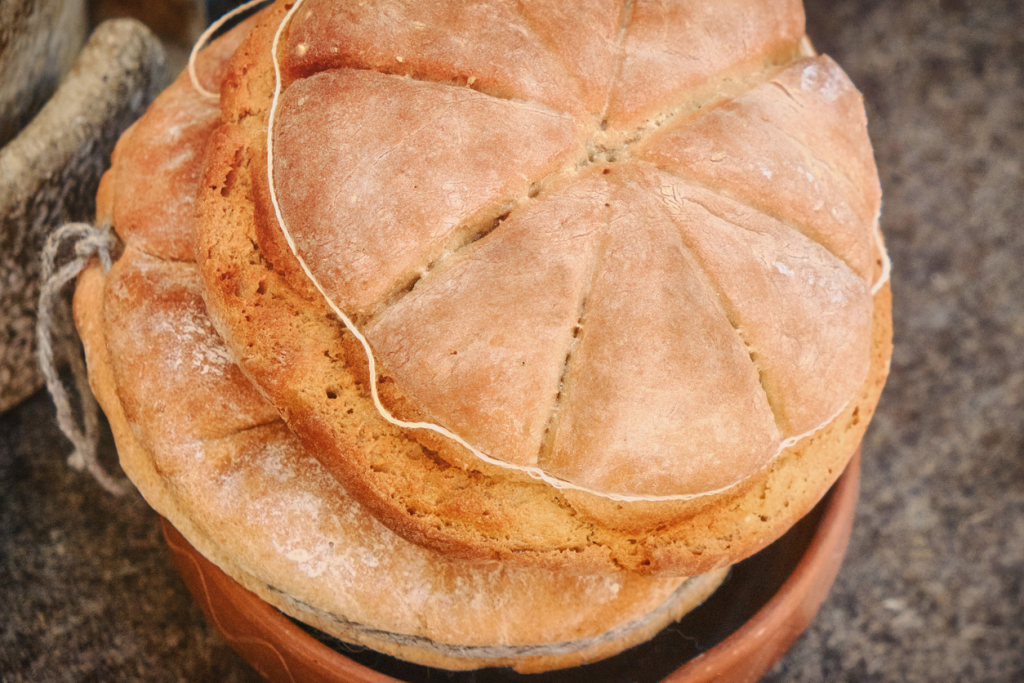
In Celtic spirituality, bread is central to the celebration of Lughnasadh. This festival in August celebrated the god Lugh, and the first harvest. Bread in nature spirituality is a symbol of abundance to the Celts. They celebrated the first bread harvest around August. The feast of Lughnasadh honors this harvest of bread.
In Ancient Greece and Rome, bread was offered to deities like Demeter and Ceres, goddesses of agriculture, in the hopes of a bountiful harvest next year. In fact, bread was so important in Rome that bakers were often elected to government positions simply because of their bread-making abilities. One of the more famous breads, Panis Quadratus, was found charred and preserved in Pompeii.
These traditions highlight bread in nature spirituality as a bridge between humanity and the divine. Check out my blog on September Harvest with Demeter if you want to know more about Demeter’s association with the bread harvest.
Seasonal Baking as a Spiritual Practice
The magic of bread is its ability to keep for long periods of time. Our ancestors relied on it because they could keep it fresh throughout the year, especially during the long winter months when the fields were barren. Baking intentionally and with the seasons transforms the act of making bread into a sacred ritual. When you align your baking to the rhythm of nature, you create intentional practices that help ground you to your ancestral roots and to the land.

Aligning Bread In Nature Spirituality To The Wheel of the Year
The wheel of the year is associated with modern Wicca, but the festivals celebrated on it have ancient roots. They are tied to nature and agriculture, as our ancestors relied on the seasons for their survival. Each season offers particular energy for baking.
August, or Lughnasadh, can be seen as the beginning of your baking cycle. Hearty loaves celebrate the abundance of the grain harvest. The summer heat may discourage you from using your oven, but consider focusing on simple flatbreads and focaccia. August is also a great time to bake bread for the freezer so that you can have fresh preserved bread in the colder months. There are more ways to celebrate Lughnasadh in my 21 Spiritual Rituals For Lughnasadh post. Lughnasadh is often overlooked, but as a festival dedicated to agriculture, it is one of the most important holidays. It honors the struggles of those who tilled the soil before us.
Ancient Grains: Einkorn, Spelt, Emmer & Rye
Modern conveniences may have eliminated the need to bake seasonally; you simply have to go to the grocery store and pick up all the bread you want. But this comes at a price. Modern convenience has come at the expense of health. Modern white bread is associated with inflammation and modern diseases like diabetes. And white bread has been so widespread that it is nearly impossible to get away from it. Unless you make it yourself and ensure you have the best sources of grain. That’s where ancient grains come in.
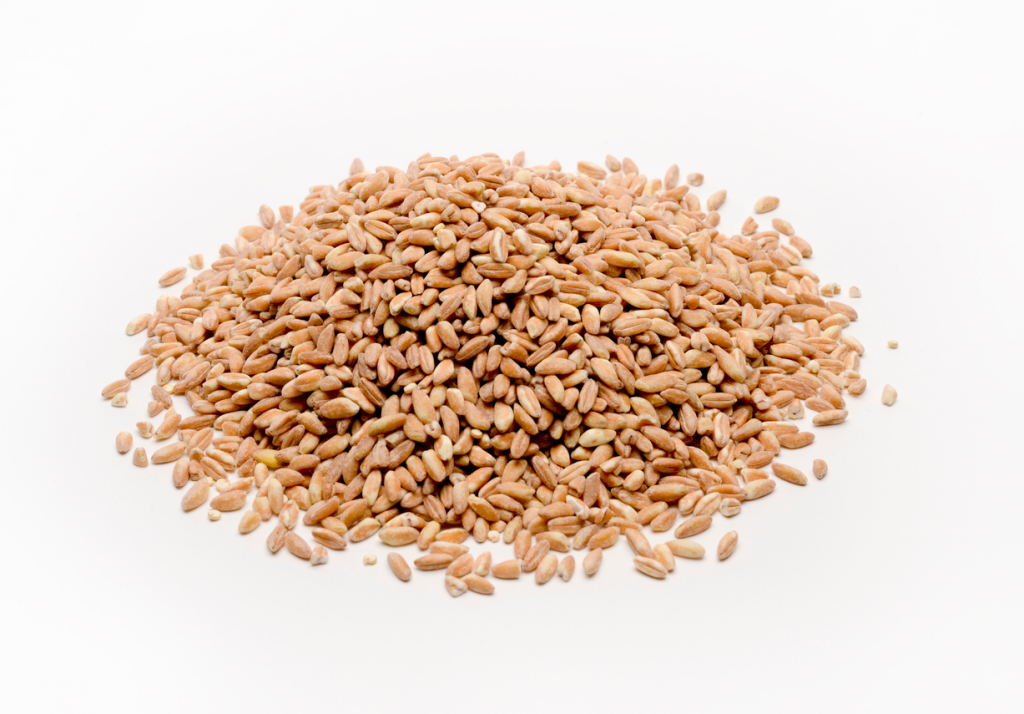
Ancient wheat varieties like Einkorn, spelt, emmer, and rye offer the best way to connect to those ancient human roots. They also bring a rich flavor to your baking.
Einkorn is among the earliest cultivated wheats. It has a nutty taste and connects us to those Neolithic ancestors. Emmer was the bread of choice in the Roman Empire.
Unlike commercialized flour, these grains keep their traditional nutritional attributes. They are higher in protein and mineral content. You can bake them to support sustainable seasonal living, natural living, and honor your heritage. For recipes using ancient grains, check out my Natural Homecooked Meals Pinterest Board. If working with einkorn sounds intimidating, I recommend a recipe book like Einkorn: Recipes for Nature’s Original Wheat by Carla Bartolucci.
Sourdough Starter: A Ritual Into Bread in Nature Spirituality
So, you have your ancient grains. Now it’s time to bake as nature intended from the very beginning. This starts with yeast and sourdough. In nature spirituality, crafting a sourdough starter becomes more than a culinary art. It’s another way to add to your spiritual connection to your ancestors and to the earth. Our ancestors didn’t have packets of modern yeast; they used sourdough.
Bread rises because of yeast. Yeast is a living culture, and sourdough is a wild yeast that you must nurture just like any other living thing under your care.
August is Perfect for Beginning a Sourdough Starter
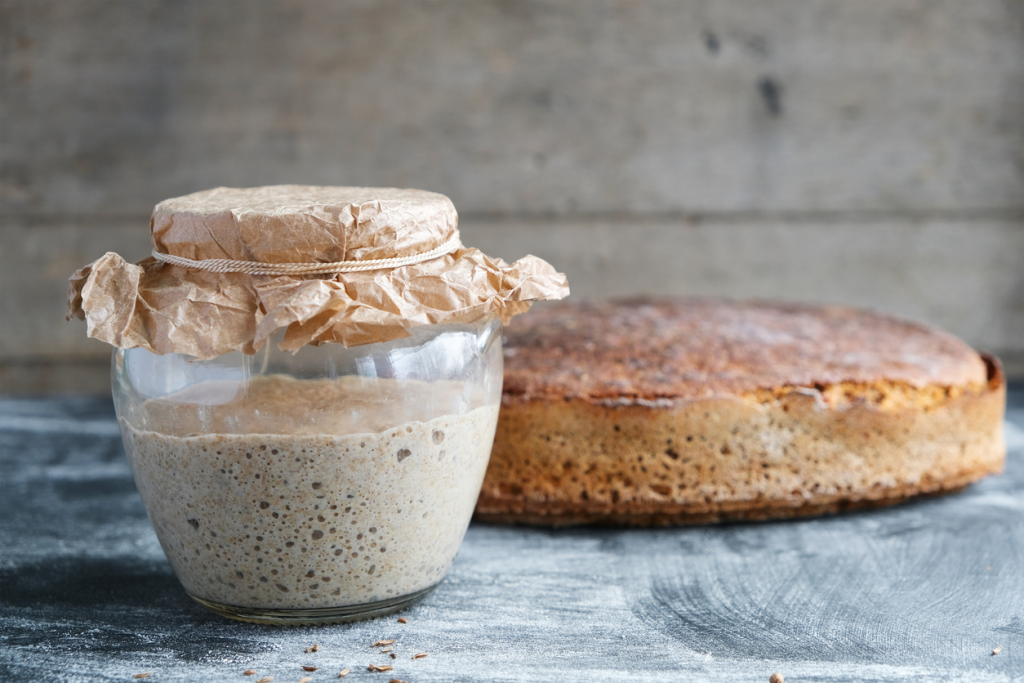
August is an ideal time for beginners in the world of sourdough to begin their bread baking journey. It makes sense spiritually since it aligns with the bread harvest. And the warm temperatures will help create ideal conditions for wild yeast and bacteria to thrive.
It will also take about a week, possibly more, before your sourdough starter is mature enough for baking, and by then, in many parts of North America and Europe, temperatures may drop, making it a good time for baking in your kitchen oven.
August is also an important time to stock up on flour, when it’s at its freshest and to learn how to store it for use throughout the year.
Tending Your Starter as a Grounding Ritual For Bread In Nature Spirituality
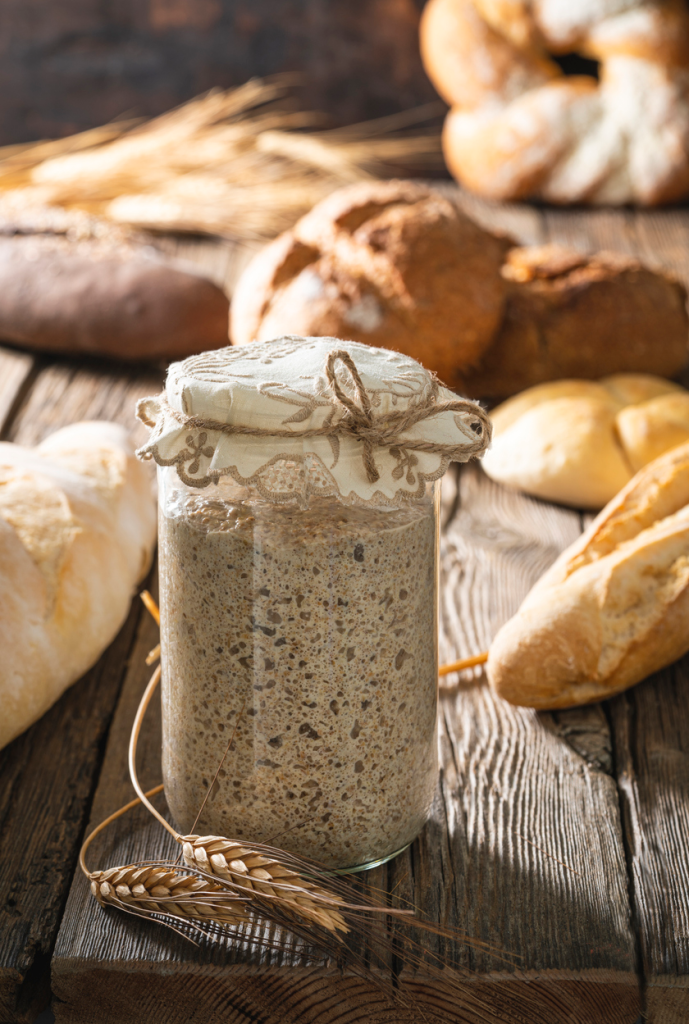
Personally, I will start a starter in mid-August, preparing to bake by September. I plan to use a blend of bread flour, rye flour and einkorn flour.
My Proposed Starter Recipe
Supplies Needed
- Clean glass jars (check these measuring jars specifically designed for sourdough starters).
- Non-metal spoon or spatula
- Cheesecloth for lid
- Digital Scale (I have this scale from Amazon).
- filtered water
Ingredients
- 50g Bread Flour
- 30g rye flour
- 20g einkorn flour (I use Jovial einkorn grain. It’s great as a thickener or for breading, as well).
- 100g filtered water
- Day 1: Add the ingredients together.
- Days 2-3: Feed with fresh flour and water (bread/rye/einkorn, same ratio) once a day; do not discard yet.
- Days 4-7: Feed once a day, discarding half the starter each time.
- Days 10-14: Feed twice a day, discarding each time. You can use the sourdough discard in various discard recipes at this point.
After 14 days, the starter should be ready for baking. You can keep feeding it daily for maintenance, and if you will not bake often, you can keep it in the refrigerator. Take it out and feed it about a day or so before you plan to use it for baking.
The daily care of a sourdough starter will become ritualistic and routine. You can make it part of your routine as a creative homemaker. Check out my blog post on Buck moon rituals for more inspiration into summer seasonal living.
Health Benefits of Bread in Nature Spirituality in a Modern Diet
The modern era has been dominated by processed foods. It’s hard to decide what you can and can’t eat. Modern diets vilify carbs and gluten.
But the nourishing power of traditional bread is still as relevant today as it was in ancient times when our ancestors ate it. The key is in sourcing grains. Gluten intolerance often stems from the way modern flour is processed.
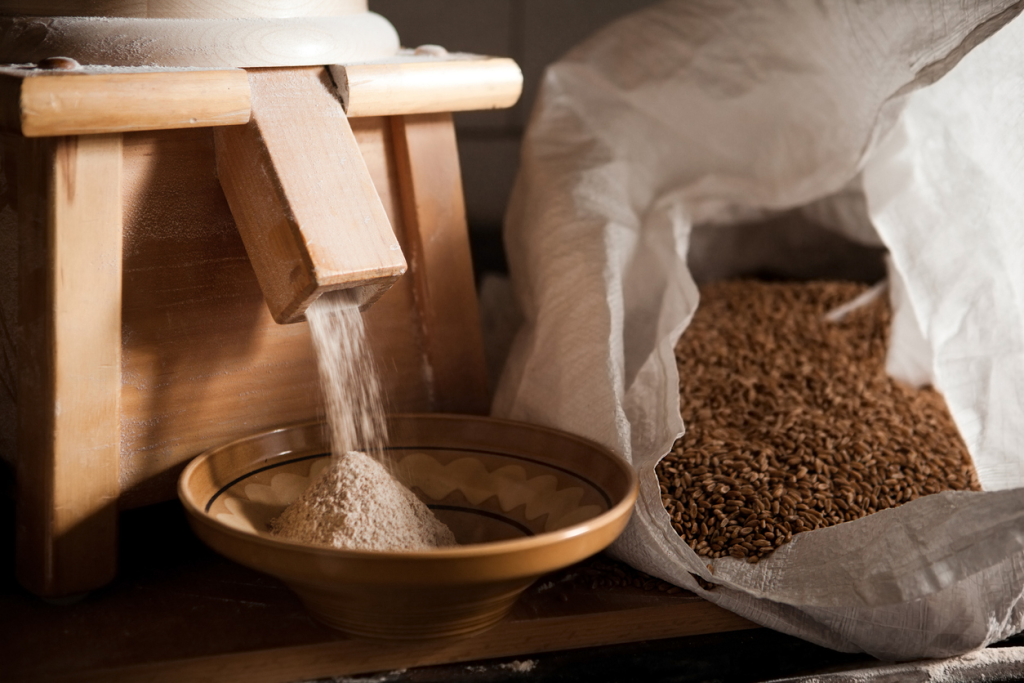
If you source whole grains, and if you plan to mill your own grains, this is the best way to keep and reclaim the benefits of bread in your health. In returning to these time-honored methods like home milling and sourdough starters, we restore bread’s role as a sacred food that sustains the body and spirit. Check out my Holistic Wellness and Self-Care Pinterest Board for more natural health inspiration. And to get started with home milling, I recommend this mill extention that you can add to your KitchenAid stand mixer.
The Truth About Modern Carbs And Gluten
Carbohydrates are a concern for nutritionists because they have a high glycemic index and often lack nutrients. Gluten protein is often blamed for things like gluten intolerance, when in reality, it’s the way the what is processed.
Choosing ancient grains like einkorn, choosing whole grains, and milling and fermenting yourself helps to counter many of the health problems associated with carbs. These grains do all contain gluten, so if you have a legitimate gluten problem, like Celiac’s, you may need to reconsider bread.
But many who try this natural method of baking bread find that their gluten intolerance is gone.
Carbs, as with anything, should be eaten in moderation. And eating carbs in combination with a healthy whole foods diet that emphasises protein, especially animal-based protein, while also emphasising seasonal variety, is not only best for health, it’s also best for maintaining connections to our ancestors and to nature.
Health Benefits Of Whole Grains And Fermented Bread
There are many benefits of fermented bread besides flavor. The slow fermentation of sourdough starter breaks down phytic acid in grains, which is an anti-nutrient that can hinder mineral absorption.
Sourdough also provides nutrients like iron, zinc, and magnesium. These are extracted in commercially processed white bread. Whole grains keep their bran and germ, which provides fiber, antioxidants, and B vitamins.
Being able to digest bread in the first place is a testament to our evolution. By reclaiming healthy, nutritious bread, you align with bread in nature spirituality, nourishing your body while honoring that evolutionary gift of nature.
Bread In Nature Spirituality For Writers
For creative writers, bread in nature spirituality offers a plethora of inspiration. As we’ve already discussed, bread was extremely important throughout history.
The act of sowing, harvesting, baking and caring for a sourdough starter becomes a creative muse. Reflect on the cycles of life and the stories a loaf can tell you. Writers can craft narratives that resonate with humanity’s shared roots.
Metaphors Of Abundance and Bread Harvest In Writing
The bread harvest offers powerful metaphors for writers. The act of reaping grain represents abundance. Reaping the rewards of your toil is a powerful theme. Bread is the reward for all the hard work of sowing the fields in earlier seasons.
Gratitude is always a potent metaphor for bread in nature spirituality. There is also room for narratives focusing on the anticipation of leaner years. Nothing lasts forever, and even in good times of abundance, one must look for the harder times yet to come.
Craft scenes were communal feasts, in which people shared loaves of bread to symbolize unity and solidarity.
Creative Writing Prompts Inspired By Bread And Agriculture
To spark your creativity, try these writing prompts rooted in bread, in nature spirituality:
- Prompt 1: Write a story about a baker during Lughnasadh who discovers an ancient recipe that connects them to their ancestors. How does the bread’s creation change their perspective on home?
- Prompt 2: Craft a poem exploring the rhythm of kneading dough, drawing parallels to the cycles of growth and rest in your life.
- Prompt 3: Imagine a village where the first harvest loaf is offered to a forgotten deity. What happens when the offering is neglected? How does the community restore balance?
These prompts encourage writers to weave the sacredness of bread into their craft, blending spirituality with storytelling. Check out my Mindful Storytelling Inspiration Pinterest Board for more prompts and inspiration.
Returning to the Loaf: Bread in Nature Spirituality
Bread in nature spirituality is a bridge between humanity and the divine. Bread has been nourishing the body and the soul, and has been the focus of creativity for over 10,000 years. From the earliest loaves that built civilization to the modern kitchens of spiritual homemakers, bread connects us to our ancestors, the land, and to the cycles of the year.
What role does bread play in your spiritual and creative practice? Share your thoughts in the comments, or join the Scribbling Homemaker Facebook Group to connect with others exploring seasonal tips, spiritual homemaking, and creative inspiration.